
“The hand is the instrument of intelligence.”
- Maria Montessori
fine & plastic arts
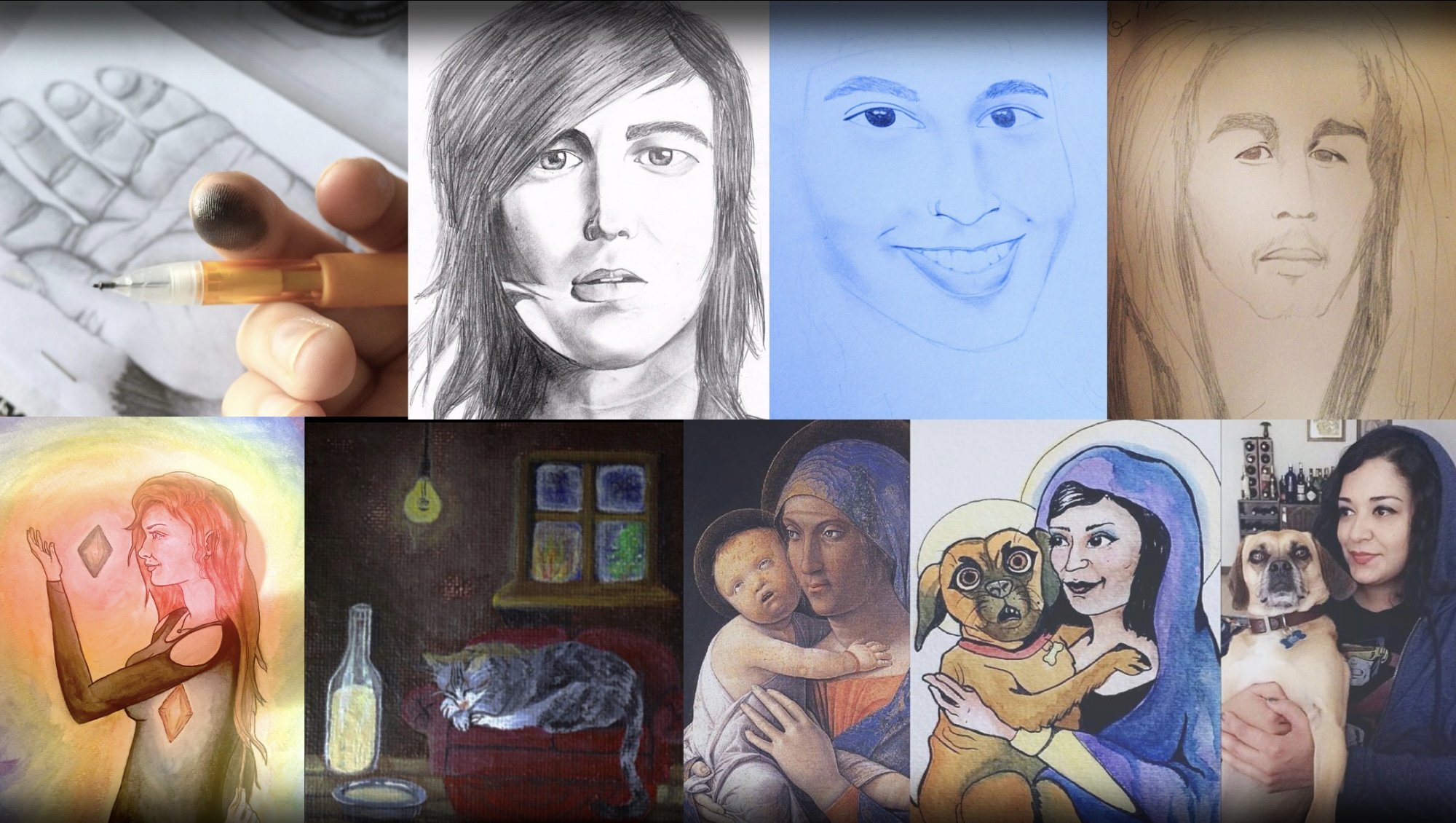
Before I began working in music production or digital design, my focus was entirely on drawing. I have always had a natural ability for accuracy, but around age 13, I experienced a distinct shift in how I perceived light and shadow. What had been a simple knack for capturing shapes became a more technical interest in dimension and structural shading.
To help me refine this, my father enrolled me in La Escuela Especializada Central de Artes Visuales. There, I began my formal studies in plastic and fine arts, which allowed me to turn that early intuition into a professional discipline. It was in this environment that I learned to treat my creative work with the rigor and technical precision that still defines my process today.
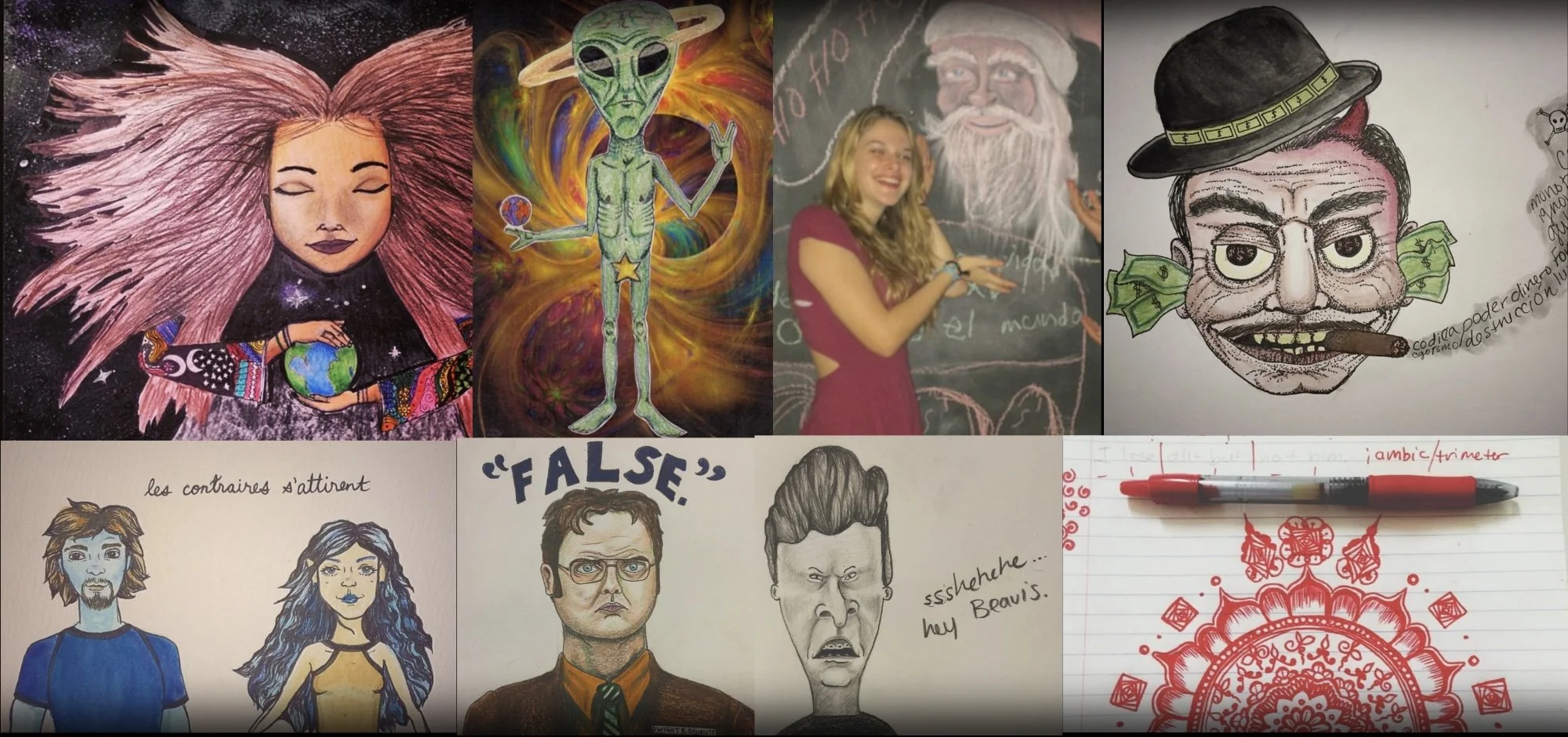
While La Escuela Especializada Central de Artes Visuales offered high-level concentrations in hyper-realism and traditional light studies, I chose to focus on Illustration and Animation. This discipline allowed me to move away from literal representation and toward a more expressive, "hyper-caricature" version of reality. It was here that I began experimenting with the bold, intentional linework of ink and pen.
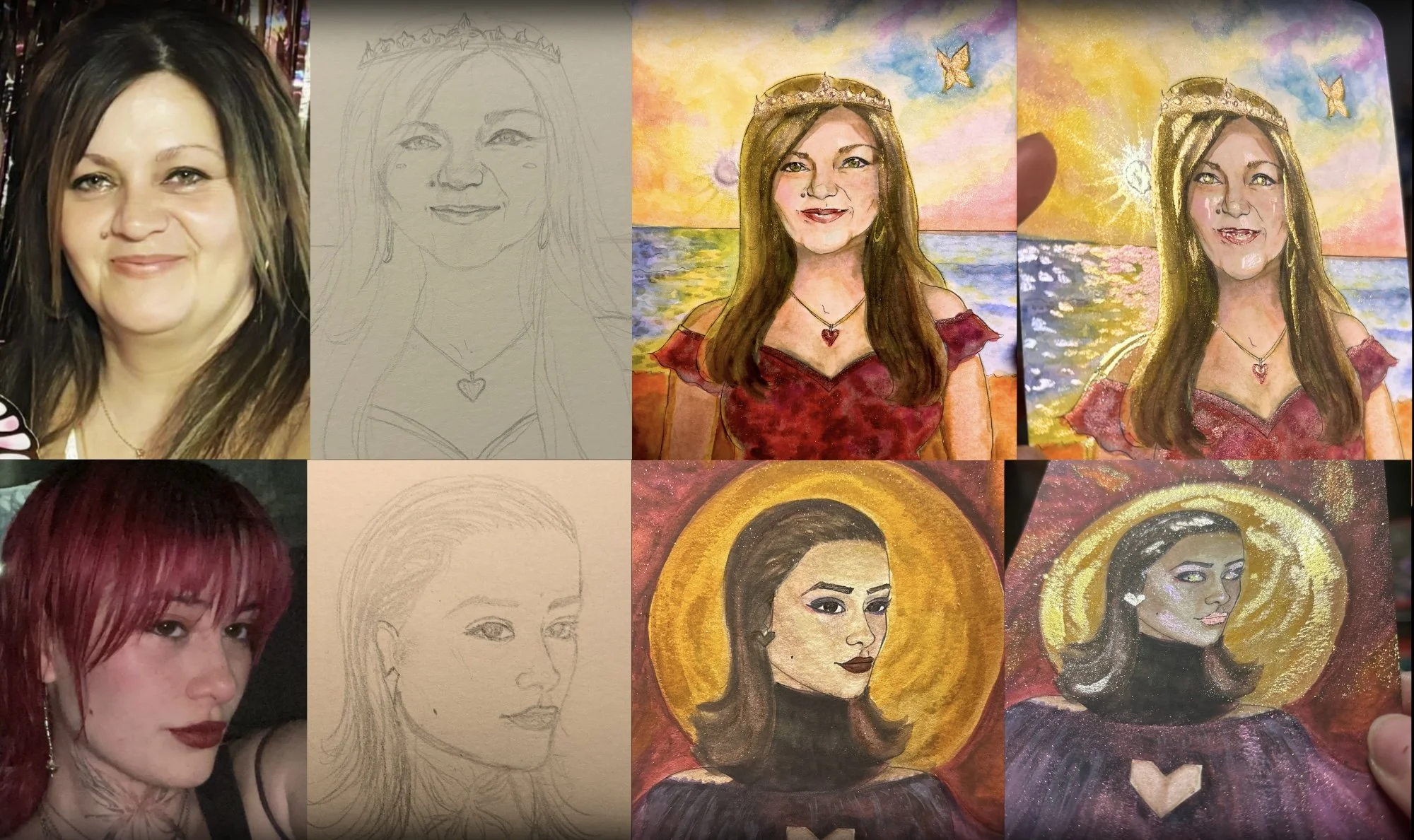
After years of working primarily with digital tools like Photoshop, this illustrative foundation eventually led me back to the physical—specifically the fluid, organic nature of watercolor.
Today, I’ve integrated these different eras of my training into a personal practice of creating fantasy-inspired portraits for those close to me. I use a mixture of ink, watercolor, and light-shifting glitter acrylic to bridge the gap between a real likeness and a romanticized character. It is my favorite way to apply my technical background in a way that feels playful and imaginative.
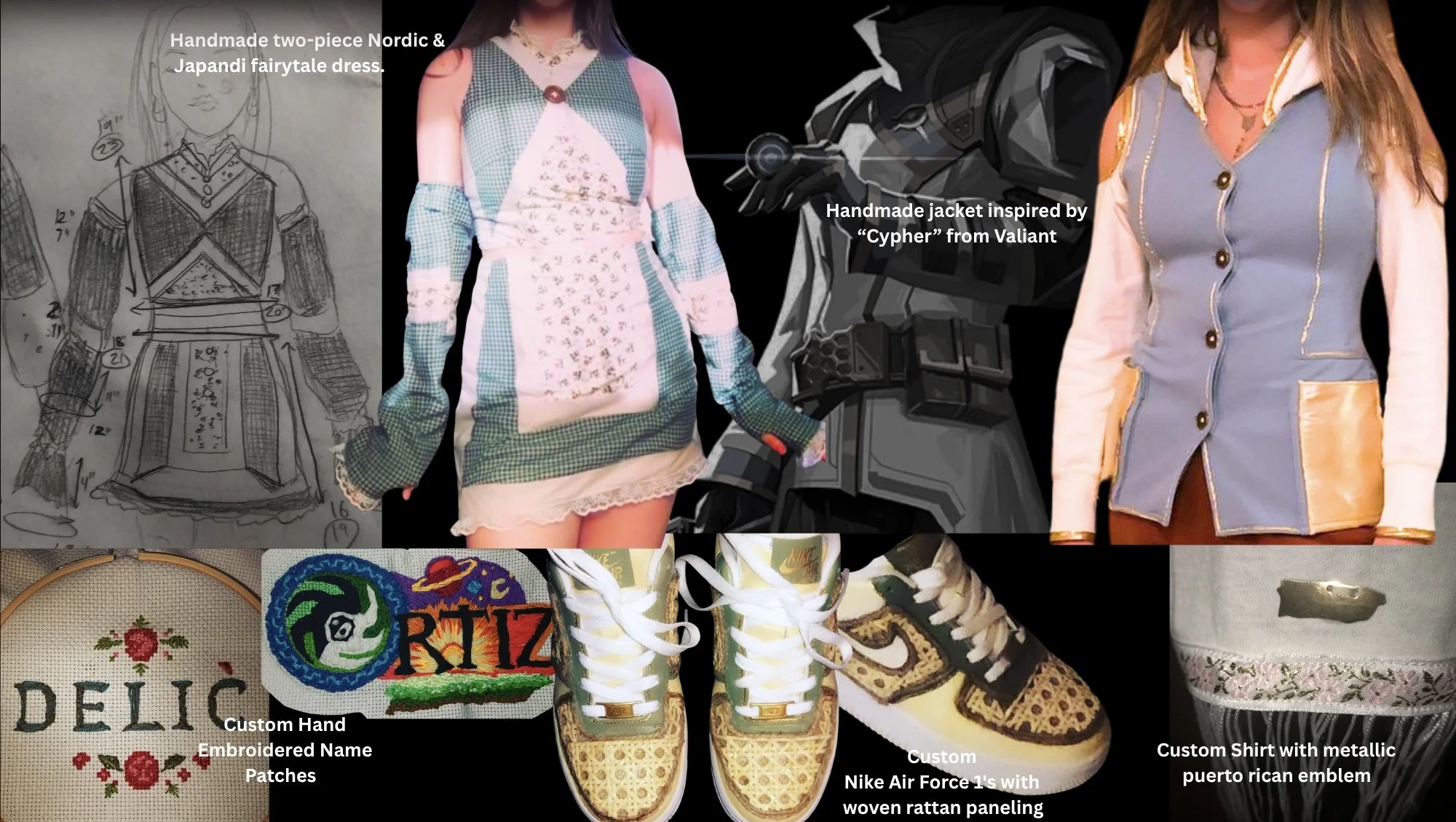
Parallel to my work in 2D illustration, I grew up immersed in the 3D geometry of costume design. My mother, Laura, worked as a costume designer for the California Dance Institute, and watching her navigate complex fabrics and structural sewing for hours shaped my understanding of wearable art. This background eventually became a practical asset for my own video production; it allows me to elevate a project by engineering specific, stylized costumes that cannot be found in a retail environment.
This lineage also extended into custom footwear. I grew up following the development of my mother’s 2005 hand-painted shoe brand, “Murky Circus,” which taught me to see everyday objects as a canvas for transformation. This environment fostered a certain creative restlessness in me, eventually leading me to my own work in custom shoe painting, embroidery, and the exploration of unconventional materials—like woven rattan—to push the boundaries of functional, wearable design.
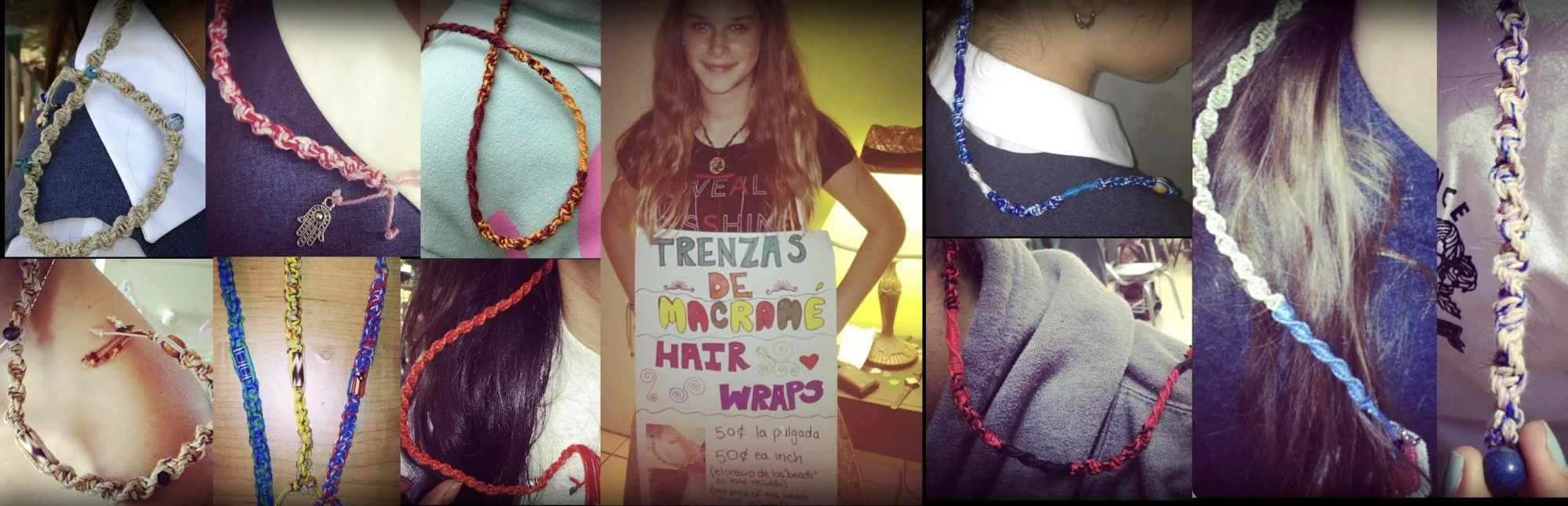
Throughout my youth, I pursued any art form that allowed me to work with my hands. At age 13, I launched a mobile macramé braiding venture, traveling between local beaches and school hallways to provide custom hemp string braids and bead charms. What started as a schoolyard hustle became my first real-world lesson in entrepreneurial grit; it taught me how to connect with a diverse range of people and how to create something of tangible value through my craft.
This early professional drive led to a position at Gravity, a popular alternative accessory and beachwear store in Plaza Las Américas. Working in one of Puerto Rico’s busiest retail hubs at such a young age was foundational for me. It instilled a formidable work ethic and a deep understanding of the value of labor, giving me the rare opportunity to learn how to monetize my passion from the very beginning.
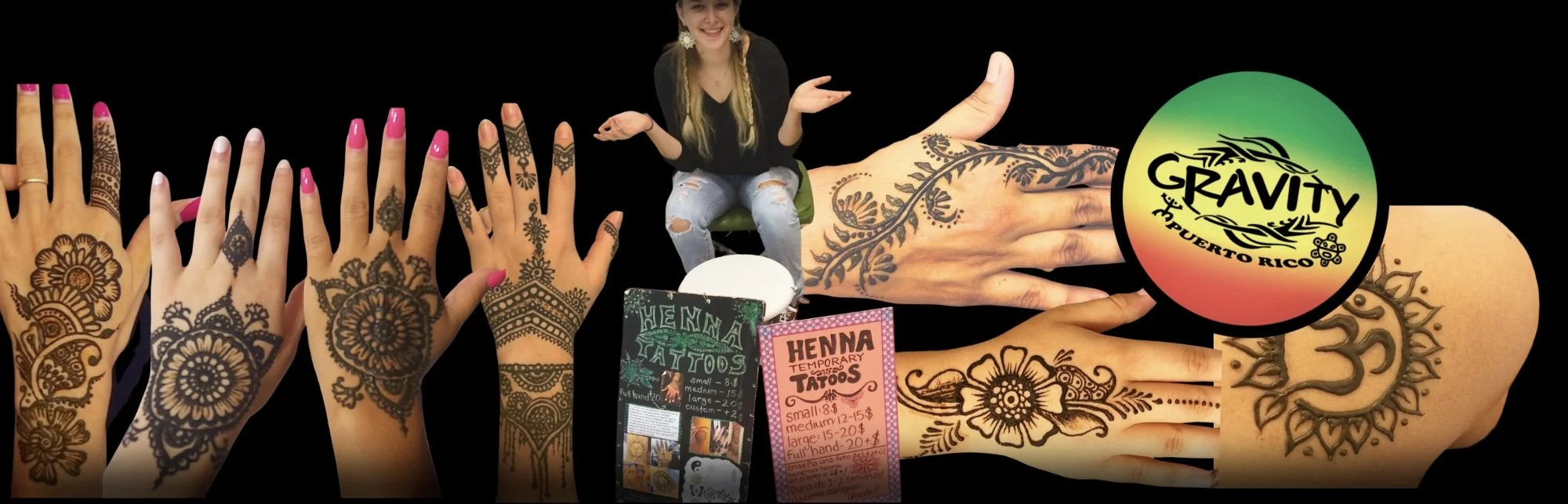
At 14, my role at Gravity evolved when my employer recognized my technical potential and offered me the opportunity to transition into henna tattooing. While a teammate took over the macramé braiding, I dedicated my full-day Saturday shifts to mastering this intricate form of body art. This transition allowed me to generate a significant income for a teenager, fostering a sense of financial independence that was rare among my peers at the time.
This early professional success served a very specific purpose: it provided the capital I needed to invest in my first pieces of high-quality video equipment. As I balanced these weekend shifts with my studies at art school, my two worlds began to complement each other. The precision of my formal fine arts training fueled the detail in my henna designs, while my earnings funded the technical tools for what would eventually become my film and music production career.